
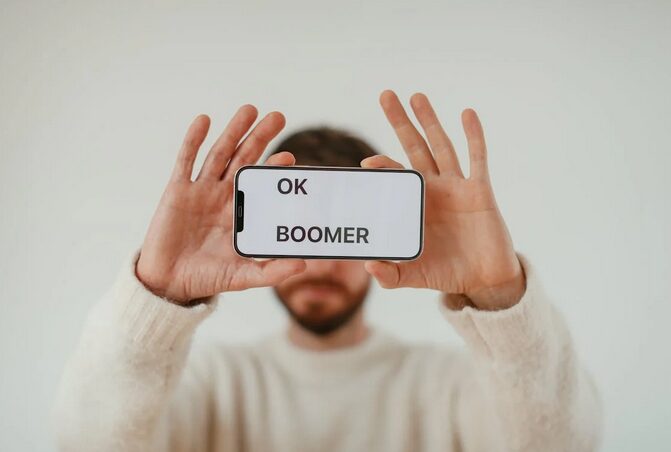
In an era where a single meme can ignite laughter, provoke thought, or spark heated debates across the globe in mere seconds, it’s no wonder that this digital phenomenon is making waves beyond social media. Welcome to the age of memes—where humor meets cultural commentary and creativity knows no bounds! As we scroll through endless feeds of bite-sized content, it’s clear that meme culture is not just a fleeting trend; it’s reshaping the very fabric of entertainment as we know it. From TV shows cleverly referencing viral moments to films embracing self-aware humor and music tracks sampling iconic memes, our screens are becoming canvases for this unique blend of art and internet culture. Join us as we dive into how memes are influencing storytelling, redefining genres, and captivating audiences in ways we’ve never seen before—all while keeping us laughing along the way.
Memes as Cultural Commentary

Memes have become a way for people to comment on current events, social issues, and pop culture in a lighthearted, digestible format. Memes offer a way to distill complex ideas or situations into something simple and funny, often making them more accessible to a broader audience. This has turned memes into a powerful tool for cultural commentary.
Take, for example, memes that respond to the latest TV show or movie. Fans often create memes that reference specific scenes, characters, or quotes, and these memes quickly become part of the conversation. For instance, think about how memes around the “Game of Thrones” finale or “The Mandalorian” have sparked debates and discussions in a way that extends far beyond the show’s air time. Memes amplify moments in pop culture, giving people a chance to share their opinions or reactions in a way that’s relatable and easy to share.
Memes in Marketing and Advertising
As brands catch on to the viral power of memes, they’ve started to incorporate them into their marketing strategies. The idea is simple: meet your audience where they are. And right now, they’re on social media, sharing memes. Big brands are tapping into the humor and relatability of memes to engage with younger, meme-savvy audiences. For example, brands like Wendy’s and Taco Bell have embraced meme culture by posting witty and sarcastic memes on their social media accounts. This approach has made them seem more authentic and relatable to consumers, especially on platforms like Twitter and Instagram.
Memes also play a huge role in viral campaigns. A cleverly timed meme can help a product or brand get millions of views and shares in a matter of hours. By using memes, brands can create campaigns that feel less like traditional advertising and more like content people want to engage with.
TV Shows and Movies Reflecting Meme Culture
Modern entertainment has not only been shaped by memes but also has started incorporating them into the content itself. TV shows, movies, and even video games often reference or embrace meme culture, knowing that it resonates with audiences. Take shows like The Office or Parks and Recreation—many of their funniest and most memorable moments have turned into memes. Quotes like “That’s what she said” or “I am Beyoncé, always” are staples of internet culture and are part of why these shows have stayed relevant long after they originally aired.
Movies also tap into meme culture, either by using memes directly in the script or by allowing the internet to turn their films into meme gold. For instance, the “Shrek” franchise has become an unexpected meme sensation, with fans creating endless variations on the film’s characters, dialogue, and moments. Similarly, “The Lion King” meme culture has led to remixes and funny edits that keep the movie’s legacy alive in a whole new way.
The Rise of Meme-Inspired Content Creators
Another significant impact of meme culture on entertainment is the rise of meme-inspired content creators. Platforms like TikTok, YouTube, and Instagram are now home to countless creators who build entire careers by using memes to entertain, comment on pop culture, or share humor. Many content creators take meme formats and put their unique spin on them, creating viral content that can be shared across platforms. Others become popular for creating original memes that capture the essence of a specific trend or idea. For example, TikTok influencers often take trending sounds or viral memes and use them to make their videos more engaging. Some meme creators have even found themselves starring in major campaigns or working with big-name brands because of their viral success.
Memes as a Universal Language

One of the most remarkable things about memes is their ability to transcend language barriers. A well-crafted meme, especially those with minimal text or visual cues, can be understood by people across the globe. This makes memes a universal language that connects people from different cultures and backgrounds. In modern entertainment, this universality has become a powerful tool for creating content that resonates with a global audience. The idea that people from all walks of life can share a funny moment or meme highlights how memes have created a sense of shared experience in a way that traditional forms of media might not have achieved.
The Future of Meme Culture in Entertainment
As meme culture continues to evolve, so too will its influence on entertainment. We can expect to see even more integration of memes into mainstream media, especially as younger generations—who have grown up with memes—continue to shape entertainment trends. Memes might inspire entire storylines in TV shows or movies, influence the creation of viral content, or even be incorporated into music videos. The future of entertainment is undoubtedly intertwined with the growing power of meme culture, and it’s exciting to think about where it will go next.
Meme culture has undoubtedly become a driving force in modern entertainment, offering a fun, accessible, and often humorous way to connect with audiences. From influencing TV shows and movies to playing a role in marketing strategies, memes have become an integral part of how we consume and create entertainment today. As meme culture continues to grow and evolve, its impact on the entertainment industry will only become more pronounced, shaping the way we interact with media in the years to come. So, next time you come across a meme, remember—it’s not just funny content; it’s shaping the future of entertainment.